A man buys a kilogram of bananas. One of his acquaintances notices him and quickly approaches, asking:
“Is everything alright? Who is sick in your family?”
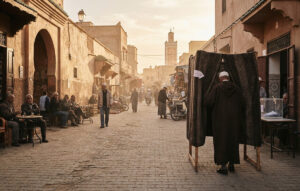
Such a scene would be impossible today, but it was quite common in the late 1960s. At that time, people only bought bananas when visiting someone who was ill. There were only two greengrocers selling bananas and apples. As for desserts, we knew only apricots, plums, pomegranates, grapes, and medlars. Everything else was virtually unknown to us. We used to see avocados at Maurice’s farm, but I doubt anyone imagined they could actually be eaten. Even the word “juice” had not yet entered our vocabulary.
I am writing about nutrition in the 1970s because I wanted to follow the wave of nostalgia currently sweeping through Ahfir-related social media groups. This wave was sparked by a post written by Amro Bellahcen, which inspired contributions from several writers and local figures.
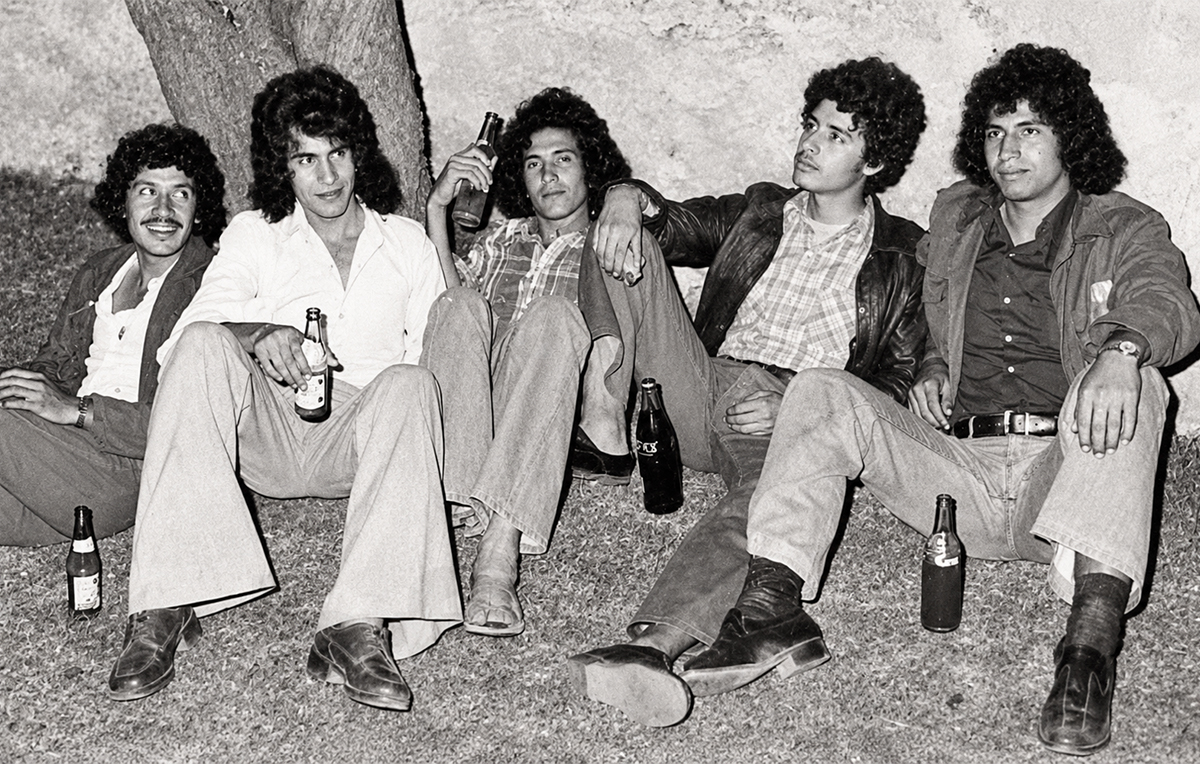
Those of us who are over fifty enjoy talking about the past. We see it through the lens of nostalgia, longing, and perhaps happiness. But were we truly happy? I believe there was also poverty, deprivation, hunger, and laughter all at once.
As for food, I was personally hungry most of the time, just like everyone I knew. I only ate bananas during the New Year celebrations. Tea was usually accompanied by plain bread and nothing else. At weddings, birth celebrations, and charitable meals, chicken was rarely served. We used to steal grapes from Dianda, apricots and pomegranates from Aghbal, and medlars from Zaâzaâ.
The first time I saw, tasted, and even heard the word “bastilla” was when I was a teacher. It was at the home of the late Si Ali Marzouki during the primary school certificate examination day. Back then, many families prepared large quantities of food for that occasion. Students, especially teachers, could choose where they wished to eat. Personally, I usually went either to Si Ali’s house or to Moulay Amro’s.
At the beginning of the 1970s, I was a boarding student at Omar High School in Oujda. During those years, there were numerous strikes, sometimes totaling more than six months per year. They were entirely political strikes, but politically active students would seize any excuse to launch one. I particularly disliked it when poor food quality was used as a reason to organize strikes in the boarding school. Personally, I was more than satisfied with the meals we received. They were far better than what we ate at home. Yet I often lacked the courage to enter the dining hall during strike periods for fear of being labeled reactionary, and I would go hungry for days.
One day, we entered the dining room and found chicken with prunes on the menu. Our comrades asked us to leave without touching the food and join a protest outside. The vice-principal came to ask why we were protesting. We replied:
“They served us chicken that is too small.”
He answered humorously:
“Then let it grow a little, my children, and eat it later!”
On another occasion, we refused breakfast. When asked why, we complained that the jam portions were so thin they looked like razor blades. He responded:
“Does jam come in brick-sized portions?”
There were eight students at every table in the boarding school. Once a week, each table received one chicken along with other dishes. Personally, I sold my share for one dirham. I loved chicken, but I loved movies and cigarettes even more.
I knew many people who went genuinely hungry in order to buy books. One of them was former minister Oujar. I often visited his home in the Casbah district. He owned only one cabinet: a small section for glasses and tableware, while the rest was filled with books and magazines. I spent an entire month with him in Rabat at his expense. We survived mostly on bissara soup, while our money was spent on cinema tickets, magazines, books, cafés, and bus rides.
Young people in the 1970s may not have eaten well, but all of them knew who Ahmed Rami, Ahmed Shawqi, Al-Manfalouti, Jacques Brel, Mohamed Abdel Wahab, Oum Kalthoum, Ibn Khaldun, and Iliya Abu Madi were.
That was our youth in the 1970s. Today’s youth have different concerns and ambitions. They are less responsible, more daring, and more carefree… Ah, how I sometimes wish I were one of them!
Still, we must admit that our generation was luckier than today’s. At least we were not tormented by unemployment as they are. Our parents’ mission ended once we obtained our high school diploma. Today, life’s real challenges begin after graduation.
Back then, the state decided everything: educational orientation, schools, jobs, and opportunities. We were taught to believe that Algeria was moving closer to socialism while Morocco was approaching capitalism. In reality, the situation was almost the opposite. Morocco’s economy was largely state-controlled: hospitals, major farms, transportation networks, factories, banks, and public administration were all under state ownership.
In short, almost everything belonged to the state. Morocco only moved decisively toward a more liberal economic model later on.
All this is to say that we were extremely fortunate. Had we faced the same conditions that young people face today, most of us, including those who eventually became executives and professionals, might have ended up selling seeds in local markets.
By Jelloul – 2010